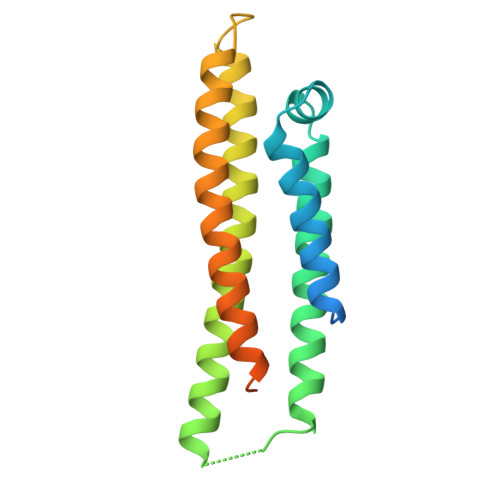
Apolipoprotein E
Homo sapiensTaxon: 9606
317
아미노산
36.2 kDa
이론값
29
PDB 항목
4
기록됨
기능 설명
국재 및 분포
조직 특이성
Produced by several tissues and cell types and mainly found associated with lipid particles in the plasma, the interstitial fluid and lymph (PubMed:25173806). Mainly synthesized by liver hepatocytes (PubMed:25173806). Significant quantities are also produced in brain, mainly by astrocytes and glial cells in the cerebral cortex, but also by neurons in frontal cortex and hippocampus (PubMed:10027417, PubMed:3115992). It is also expressed by cells of the peripheral nervous system (PubMed:10027417, PubMed:25173806). Also expressed by adrenal gland, testis, ovary, skin, kidney, spleen and adipose tissue and macrophages in various tissues (PubMed:25173806)
관련 질환
Hyperlipoproteinemia 3
A disorder characterized by the accumulation of intermediate-density lipoprotein particles (IDL or broad-beta-lipoprotein) rich in cholesterol. Clinical features include xanthomas, yellowish lipid deposits in the palmar crease, or less specific on tendons and on elbows. The disorder rarely manifests before the third decade in men. In women, it is usually expressed only after the menopause.
Alzheimer disease 2
A late-onset form of Alzheimer disease. Alzheimer disease is a neurodegenerative disorder characterized by progressive dementia, loss of cognitive abilities, and deposition of fibrillar amyloid proteins as intraneuronal neurofibrillary tangles, extracellular amyloid plaques and vascular amyloid deposits. The major constituents of these plaques are neurotoxic amyloid-beta protein 40 and amyloid-beta protein 42, that are produced by the proteolysis of the transmembrane APP protein. The cytotoxic C-terminal fragments (CTFs) and the caspase-cleaved products, such as C31, are also implicated in neuronal death.
Sea-blue histiocyte disease
Characterized by splenomegaly, mild thrombocytopenia and, in the bone marrow, numerous histiocytes containing cytoplasmic granules which stain bright blue with the usual hematologic stains. The syndrome is the consequence of an inherited metabolic defect analogous to Gaucher disease and other sphingolipidoses.
Lipoprotein glomerulopathy
Uncommon kidney disease characterized by proteinuria, progressive kidney failure, and distinctive lipoprotein thrombi in glomerular capillaries.
아미노산 서열
MKVLWAALLVTFLAGCQAKVEQAVETEPEPELRQQTEWQSGQRWELALGRFWDYLRWVQT
LSEQVQEELLSSQVTQELRALMDETMKELKAYKSELEEQLTPVAEETRARLSKELQAAQA
RLGADMEDVCGRLVQYRGEVQAMLGQSTEELRVRLASHLRKLRKRLLRDADDLQKRLAVY
QAGAREGAERGLSAIRERLGPLVEQGRVRAATVGSLAGQPLQERAQAWGERLRARMEEMG
FASTA 형식 · 317 아미노산 · 분자량 36.2 kDa
실험 구조
29 PDB 항목번역 후 수식
- •APOE exists as multiple glycosylated and sialylated glycoforms within cells and in plasma (PubMed:29516132). The extent of glycosylation and sialylation are tissue and context specific (PubMed:29516132). Plasma APOE undergoes desialylation and is less glycosylated and sialylated than the cellular form (PubMed:19838169, PubMed:20511397, PubMed:23234360, PubMed:2498325). Glycosylation is not required for proper expression and secretion (PubMed:2498325). O-glycosylated with core 1 or possibly core 8 glycans. Thr-307 and Ser-314 are minor glycosylation sites compared to Ser-308 (PubMed:19838169, PubMed:23234360)
- •Glycated in plasma VLDL of normal subjects, and of hyperglycemic diabetic patients at a higher level (2-3 fold)
- •Phosphorylated by FAM20C in the extracellular medium
- •Undergoes C-terminal proteolytic processing in neurons. C-terminally truncated APOE has a tendency to form neurotoxic intracellular neurofibrillary tangle-like inclusions in neurons